
Key Takeaways
A steady, structured approach helps you gather useful information without stepping outside your role. Keep the caller connected to the right help and follow the protocols available to you.
- Confirm the caller’s location and callback number early.
- Ask what happened, when it began, and whether the person is conscious and breathing normally.
- Treat severe symptoms or uncertainty as a reason to seek urgent professional help.
- Give only clear instructions that fit your training and local protocols.
- Pass on essential details and document the call according to your organization’s procedures.
Understand your role when answering a medical call
When you answer medical calls, your responsibilities depend on where you are and what training you have. A dispatcher, clinic staff member, and bystander may all help someone reach care, but they do not have the same authority or procedures. Start by identifying your role and the support available to you. That boundary helps you act promptly without trying to diagnose or manage care beyond your remit.
Clarify whether you are a dispatcher, clinic staff member, or bystander
A dispatcher usually follows a defined call-taking process, while clinic staff may follow organizational procedures for urgent calls from patients. A bystander may have no formal training and should focus on contacting emergency services and following instructions from the dispatcher. If a caller is seeking ordinary dental care rather than emergency assistance, information about finding a dentist may be more appropriate once immediate danger has been ruled out. In every role, explain what you can do and avoid implying that you can provide care you are not qualified to give.
Know when to contact emergency services
If someone appears to be in immediate danger, contact emergency services rather than trying to resolve the situation through routine clinic processes. Warning signs can include serious difficulty breathing, loss of consciousness, severe bleeding, or a sudden change in mental state; a guide to emergency warning signs can help you recognize examples, but it does not replace local protocols. Keep the focus on medical help: an urgent home repair, such as calling an emergency plumber, is a separate matter and should not delay a medical response. If you are unsure whether the situation is an emergency, seek direction from a qualified dispatcher or clinician.
Stay within your training and follow local protocols
Your role is to collect and relay information, follow the relevant process, and help the caller connect with the right professional response. Do not diagnose the cause of symptoms or offer treatment instructions from memory. Follow the process you are trained to use, including any escalation steps required by your workplace. If you are a bystander, call emergency services and follow the dispatcher’s instructions rather than attempting unfamiliar procedures.
Gather essential information quickly
In a stressful call, a few clear questions are more useful than a long conversation that loses the central facts. Start with the location and a number where the caller can be reached, then ask what happened and how the person is doing now. Keep your questions direct, one at a time, and pause long enough for the caller to answer. The information can help professionals understand what is happening and where help is needed.

Confirm the caller’s location and callback number
Ask for the exact address or location first, including apartment, unit, floor, or entrance details when relevant. Repeat it back so the caller can correct any mistake, then confirm a callback number in case the call drops. If the caller is not with the person who needs help, clarify where each person is and how they are communicating. A 911 call guide describes the kinds of essential details a dispatcher may ask for, though the exact process varies by service.
Ask what happened and when symptoms began
Invite the caller to describe what happened in their own words, then clarify when it began and whether anything has changed. Avoid leading questions or trying to make the story fit a diagnosis. A simple sequence can keep the exchange organized:
- What happened?
- When did it start?
- What is the person doing or saying now?
- Has their condition changed since it began?
Use the answers to pass along a clear account, not to reach a medical conclusion yourself. If the person’s condition worsens while you are speaking, update the dispatcher or clinician promptly.
Check whether the person is conscious and breathing normally
Ask whether the person is awake and responding, and whether they are breathing normally. Do not assume that silence on the line means the person is unconscious; clarify what the caller can see or hear. A dispatcher may have a specific sequence of questions and instructions, so let that process guide the call. If the caller reports that the person is unresponsive or not breathing normally, communicate that immediately and follow the emergency service’s directions.
Recognize signs that need an immediate response
You are not expected to diagnose a medical emergency over the phone. Your job is to notice reports that could signal immediate danger, ask whether the situation is changing, and help the caller reach professional help without delay. A person may have difficulty describing symptoms, especially when frightened or confused. Treat concerning reports seriously even when details are incomplete.
Identify possible life-threatening symptoms
Reports of severe breathing difficulty, unresponsiveness, major bleeding, chest discomfort, choking, or sudden confusion call for urgent attention. These are examples, not a complete diagnostic checklist, and a person’s age or medical history may affect what professionals need to know. Ask what the caller can observe rather than suggesting a cause. For more context on emergency response and basic preparedness, consult a medical emergency response guide, while keeping the caller’s immediate situation and local instructions foremost.
Ask about changes in the person’s condition
A brief update can matter: find out whether the person is becoming less responsive, breathing differently, bleeding more, or developing new symptoms. Ask the caller to tell you right away if anything changes while help is being arranged. If the caller mentions an environmental hazard, such as exposed wiring or a damaged lighting cable, do not ask them to approach it; pass the hazard information to responders and follow local safety procedures. Stay focused on what the caller can safely observe.
Treat uncertainty as a reason to seek urgent professional help
Callers may be unsure whether a symptom is serious, or they may describe events in a scattered way. Do not reassure them that everything is fine simply because you cannot confirm a danger over the phone. If symptoms sound severe, are getting worse, or remain unclear, seek urgent professional guidance. The question of whether to use a virtual visit or in-person care depends on the situation; telehealth options do not replace emergency services when immediate help may be needed.
Give clear instructions while help is on the way
Once emergency help has been contacted, the caller may need to know what to do while waiting. Keep instructions short and tied to the dispatcher’s or organization’s approved process. Avoid giving several directions at once, and ask the caller to tell you if they cannot follow an instruction or the person’s condition changes. Calm, plain language can make the next step easier to understand.
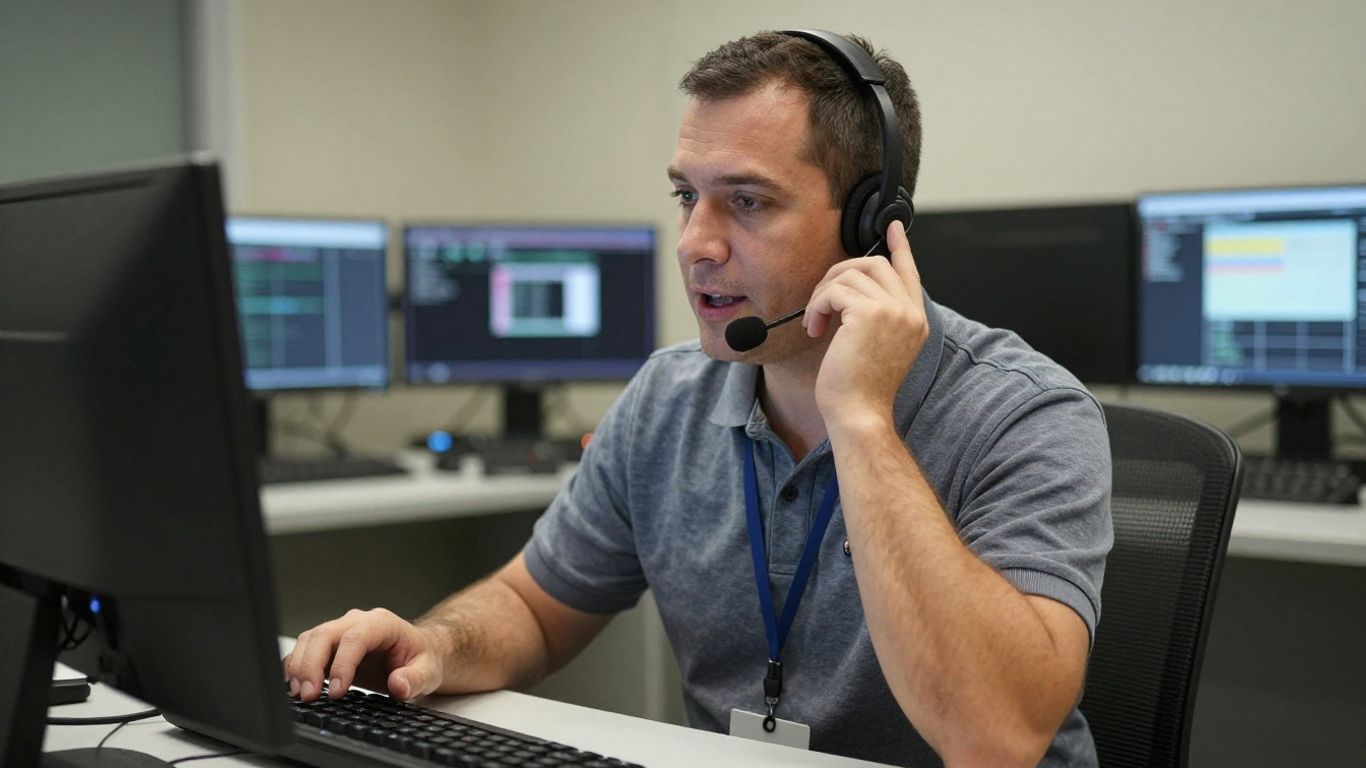
Use short, calm, direct language
Speak slowly enough to be understood, but do not overload the caller with background explanations. Use everyday words, ask one thing at a time, and check that the caller heard you. If the caller is overwhelmed, repeat the immediate next step rather than adding more detail. Calm communication supports cooperation; it does not mean minimizing the seriousness of the situation.
Follow dispatcher or organizational protocols
If you are speaking with emergency services, follow the dispatcher’s instructions and relay new information as it arises. In a clinic or healthcare organization, use the established escalation route rather than improvising a parallel process. A protocol may specify who to contact, what information to gather, or how to keep the caller connected. When the instructions differ from what you expected, clarify with the responsible professional instead of guessing.
Avoid advice that exceeds your training
It can be tempting to offer a quick remedy, particularly when the caller asks what to do. Keep to instructions you are authorized and trained to provide, and let qualified professionals guide care. An emergency guide may discuss first aid or CPR, but reading about a technique is not the same as being trained to perform it. Direct the caller to the dispatcher’s guidance and do not recommend medication, food, drink, or movement unless the appropriate professional or protocol instructs them to do so.
Handle difficult calls with care
Medical calls can be difficult to follow when the caller is panicked, crying, angry, or struggling to describe what is happening. Your voice and pacing can help create a little structure without dismissing their fear. Focus on the next essential question and give the caller time to respond. Keep necessary information flowing to the people who can act on it, while respecting the person’s privacy.
Support callers who are panicked or hard to understand
Acknowledge the caller’s distress briefly, then guide them back to one concrete question at a time. If you cannot understand an answer, say so plainly and ask them to repeat or spell out the key detail. Avoid arguing with the caller or correcting every inconsistency; confirm the facts that affect the response. Stress can shape decision-making in many situations, including sports betting and emotions, but a medical call should remain focused on immediate safety and professional help.
Use an interpreter when language is a barrier
If you and the caller do not share a language well enough to exchange essential information, use your organization’s interpreter process or the service available to emergency dispatch. Speak to the caller, not over them, and use short sentences that are easier to interpret. Do not rely on a child or an untrained companion to interpret critical medical details if a qualified option is available. Keep confirming that the location and immediate concern have been understood.
Protect the person’s privacy while sharing necessary details
Share information with the people responsible for arranging or providing help, and follow your organization’s privacy procedures. Avoid discussing the call where others can overhear or collecting personal details that are not needed for the response. If the caller volunteers sensitive information, acknowledge it without asking for more than the situation requires. Necessary details should reach the right professional; they should not become casual conversation.
Close the call and support a safe handoff
Ending a call is more than saying goodbye. Before you close, establish whether emergency services or the appropriate clinical team have been contacted, what the caller should do next, and whether the person’s condition has changed. A brief recap can catch misunderstandings and make the handoff more useful. Once the immediate exchange is complete, document the call according to your organization’s procedures.
Confirm that emergency services have been contacted
If the situation requires emergency services, confirm whether the call has been placed and whether the caller is still connected with the dispatcher. Do not assume someone else has made the call unless the caller confirms it or your process verifies it. If you are a clinic staff member, follow the escalation procedure for your setting and make sure responsibility for the next step is clear. Emergency services may send different responders depending on local arrangements and the information provided; the dispatcher can explain what to expect.
Keep the caller informed about what to do next
Summarize the next action in plain language: stay on the line, follow the dispatcher’s instructions, or wait for the designated professional to take over. Ask whether the caller understands and can carry out that step. If the situation changes before the handoff, the caller should update the dispatcher or clinical team promptly. Avoid promising a specific arrival time or outcome unless an authorized source has confirmed it.
Document key details according to your organization’s procedures
Once the immediate response is underway, record relevant facts in the approved system or format. Depending on your role, that may include the time of the call, the reported location, the caller’s account, changes in the person’s condition, and who was notified. Keep the record factual, distinguish what the caller reported from what you observed, and follow your organization’s rules for access and retention. Good documentation supports a clear handoff without turning assumptions into facts.
Conclusion
When you answer a medical call, a calm voice and a clear sequence of questions can help connect someone with the right support. Confirm where help is needed, listen for urgent warning signs, follow the process for your role, and pass on accurate information. If you are uncertain, seek professional guidance rather than trying to manage the emergency alone.
Frequently Asked Questions
What should I ask first on a medical call?
Confirm the caller’s location and callback number, then ask what happened and whether the person is conscious and breathing normally. Follow the sequence required by your local service or organization.
When should someone call emergency services?
Call when a person may be in immediate danger, has severe symptoms, or needs urgent professional help. If you are uncertain, contact emergency services or a qualified clinician for direction.
What if the caller cannot explain what happened clearly?
Ask short, direct questions one at a time and focus first on location, consciousness, breathing, and the immediate concern. Repeat or clarify essential details without delaying professional help.
Should I give first-aid instructions over the phone?
Only give instructions that you are trained and authorized to provide, or that a dispatcher or qualified professional directs you to give. Follow the relevant protocol rather than relying on memory.
What if the person’s condition changes during the call?
Tell the dispatcher or clinical professional promptly and describe the change in plain, observable terms. Continue following their directions and keep the caller informed about the next step.
How can I communicate with a caller who speaks another language?
Use your organization’s interpreter process or the interpreting service available through emergency dispatch. Keep your sentences short and confirm that essential information has been understood.
What details should be documented after a medical call?
Follow your organization’s procedures. Generally, record relevant times, the caller’s report, the location, significant changes, and who was notified, while separating reported information from your own observations.